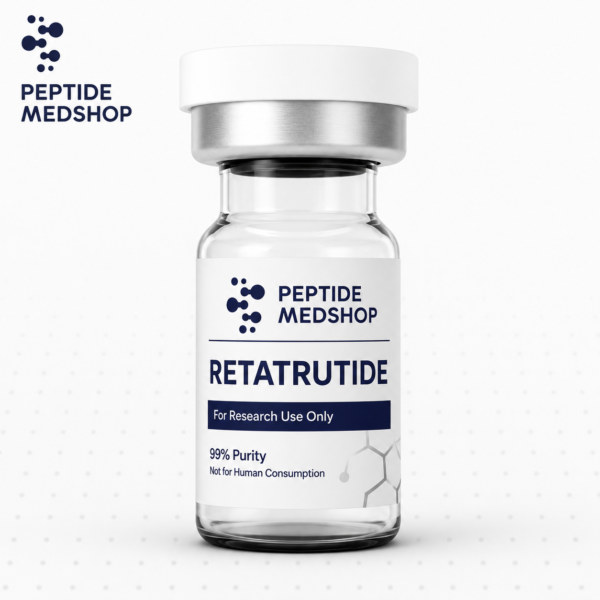
Retatrutide is an investigational medication that has attracted significant attention in the fields of obesity treatment and metabolic health. Designed as a triple hormone receptor agonist, Retatrutide is currently being studied for its potential to help people with obesity and overweight conditions achieve substantial weight loss while improving several metabolic markers.
Although research has shown promising early results, Retatrutide has not yet been approved for general medical use in many countries. Anyone considering treatment should consult a qualified healthcare professional and use only medications prescribed through legitimate medical channels.
What Is Retatrutide?
Retatrutide is an experimental medication developed to target three important hormone receptors involved in regulating appetite, blood sugar, and energy metabolism:
- GLP-1 (Glucagon-Like Peptide-1) receptor
- GIP (Glucose-Dependent Insulinotropic Polypeptide) receptor
- Glucagon receptor
Unlike earlier medications that activate one or two of these pathways, Retatrutide combines all three mechanisms into a single therapy, making it one of the most advanced investigational treatments currently being studied.
How Does Retatrutide Work?
Researchers believe Retatrutide may support weight management through several biological mechanisms:
Appetite Regulation
Activation of the GLP-1 receptor may help reduce hunger while increasing feelings of fullness after meals.
Improved Blood Sugar Control
The medication may enhance insulin release when blood sugar levels rise, helping maintain healthier glucose regulation.
Increased Energy Expenditure
The glucagon receptor activity is believed to increase energy expenditure, potentially allowing the body to burn more calories.
Combined Benefits
The interaction of these three hormone pathways may provide greater overall effectiveness than therapies targeting only one pathway.
Potential Benefits Being Studied
Clinical research has explored several possible benefits of Retatrutide, including:
- Significant body weight reduction
- Improved metabolic health
- Better blood glucose management
- Reduced waist circumference
- Improved insulin sensitivity
- Better cardiovascular risk markers
- Possible improvement in fatty liver disease
These potential benefits continue to be evaluated in larger clinical studies.
Clinical Research
Researchers have reported encouraging findings from early clinical trials involving adults living with obesity or overweight conditions.
Studies have examined:
- Different dosage levels
- Safety profiles
- Long-term effectiveness
- Side effects
- Changes in body composition
- Metabolic improvements
While early data appear promising, additional research is necessary before healthcare providers can fully understand the long-term safety and effectiveness of Retatrutide.
Possible Side Effects
Like many medications that affect digestive hormones, Retatrutide may cause side effects.
Commonly reported effects in clinical studies include:
- Nausea
- Vomiting
- Diarrhea
- Constipation
- Reduced appetite
- Stomach discomfort
- Fatigue
Many gastrointestinal side effects may improve as the body adjusts to treatment, but patients should always discuss any concerning symptoms with their healthcare provider.
Who May Benefit in the Future?
If approved by regulatory authorities, Retatrutide may be considered for adults with obesity or overweight conditions, particularly those with obesity-related medical conditions such as:
- Type 2 diabetes
- High blood pressure
- Elevated cholesterol
- Metabolic syndrome
Eligibility would ultimately depend on official prescribing guidelines and individual medical assessment.
Lifestyle Still Matters
Medication alone is not a replacement for healthy living. Sustainable weight management generally includes:
- A balanced, nutrient-rich diet
- Regular physical activity
- Adequate sleep
- Stress management
- Routine medical follow-up
Combining lifestyle improvements with medical treatment often provides the best long-term outcomes.
Important Safety Considerations
Retatrutide remains under scientific evaluation. Patients should never begin or stop any prescription medication without consulting a licensed healthcare professional.
It is important to:
- Obtain medications only through legitimate healthcare providers and licensed pharmacies.
- Discuss your complete medical history before starting any treatment.
- Attend regular follow-up appointments if prescribed a weight-management medication.
- Report any unexpected side effects promptly.
Frequently Asked Questions
Is Retatrutide approved?
Approval status varies by country, and ongoing clinical trials continue to evaluate its safety and effectiveness. Check with your local health authority for the latest regulatory information.
Is Retatrutide the same as semaglutide?
No. Retatrutide works on three hormone receptors, while semaglutide primarily targets the GLP-1 receptor.
Can Retatrutide cure obesity?
No medication is considered a cure for obesity. Obesity is a chronic medical condition that often requires long-term management involving lifestyle changes and, when appropriate, medical treatment.
Can anyone use Retatrutide?
No. Investigational or prescription medications should only be used under the guidance of a qualified healthcare professional.
Conclusion
Retatrutide represents an exciting area of ongoing research in obesity and metabolic medicine. By targeting three hormone pathways involved in appetite regulation, glucose metabolism, and energy expenditure, it has shown promising results in clinical studies. However, more research is needed to fully understand its long-term safety and effectiveness before widespread use.
For individuals interested in medical weight management, the best approach is to speak with a qualified healthcare provider who can recommend evidence-based treatments tailored to individual health needs.